
Louisville's Waterfront Park serves as a community hub against robocalls, with robocall attorneys Kentucky leveraging its inclusive design to educate residents on legal protections and strategies. The park fosters unity in combating automated calls through workshops, events, and shared resources, empowering individuals and businesses to reclaim peaceful communication. Attorneys employ strategic litigation, consumer education, and legislative advocacy to combat robocalls effectively, ensuring Louisville and Kentucky communities enjoy quieter interactions.
Louisville’s Waterfront Park serves as a vibrant gathering space, fostering community engagement and connection. However, an insidious issue plagues this urban oasis: robocalls. These automated, unwanted calls not only disrupt peace but also create a significant nuisance for residents, businesses, and robocall attorneys Kentucky alike. The Big Four Bridge, symbolizing the city’s unity, offers more than aesthetic appeal; it represents a metaphorical connection between communities united against this modern-day scourge. This article delves into the impact of robocalls, explores community efforts to combat them, and highlights how Louisville’s Waterfront Park emerges as a hub for collaboration and change.
Louisville's Waterfront Park: A Community Hub

Louisville’s Waterfront Park has emerged as a vibrant community hub, serving as a beacon for residents seeking a space to connect, relax, and engage with their neighbors. This urban oasis spans along the Ohio River, offering picturesque views and diverse recreational opportunities. More than just a destination for leisure, the park has become a crucial gathering place, fostering social cohesion and providing a backdrop for various community initiatives. In this dynamic setting, locals find common ground, from runners and walkers to yoga enthusiasts and families enjoying picnics.
The park’s central location and accessible design make it an ideal venue for community events, workshops, and gatherings. Local organizations, schools, and businesses frequently utilize its ample green spaces, promoting a sense of belonging and camaraderie. This inclusive environment extends beyond traditional activities; it encourages open dialogue and fosters partnerships between different demographics, including students, families, and senior citizens. For instance, monthly farmers’ markets and community gardens have become popular attractions, fostering local economic growth while promoting healthy living.
In the ongoing battle against robocalls, Louisville’s Waterfront Park can serve as a microcosm for community-driven solutions. Robocall attorneys in Kentucky emphasize that collective action is often necessary to combat this pervasive issue. By leveraging the park’s community spirit, residents can organize and participate in educational seminars, sharing strategies to identify and block unwanted calls. Such initiatives not only empower individuals but also create a network of support, ensuring that everyone has access to information and tools to combat robocalls effectively. This collaborative approach aligns with the park’s inclusive nature, positioning it as a vital asset in the community’s fight against intrusive telecommunications practices.
Big Four Bridge: Connecting Land and People

Louisville’s Waterfront Park’s Big Four Bridge serves as more than just a scenic passage over the Ohio River; it symbolizes the vital connection between communities on both sides. This iconic structure has witnessed generations of residents coming together, fostering bonds that transcend geographical boundaries. In today’s digital age, where robocalls have become a ubiquitous nuisance, the Big Four Bridge takes on an added significance as a metaphorical and literal bridge connecting people and fighting back against automated telephony attacks.
As Kentucky, like many states, grapples with the influx of unwanted robocalls, residents are turning to innovative solutions for respite. One such approach involves leveraging community-based initiatives that promote awareness and collaboration. The Big Four Bridge, being a central gathering space in Louisville, naturally lends itself to becoming a hub for these efforts. Local robocall attorneys Kentucky have been instrumental in organizing events and workshops on the bridge, educating citizens about the legal avenues available to combat these persistent calls. By bringing people together under its span, these initiatives foster a collective sense of empowerment against what can feel like an overwhelming problem.
Moreover, the bridge’s role as a community connection is amplified by its accessibility. Open to pedestrians and cyclists 24/7, it encourages regular interaction between diverse groups. This constant exchange facilitates the sharing of information and strategies for dealing with robocalls, creating a robust network of support. As residents learn from each other, they also build a collective defense mechanism against automated call centers, demonstrating that unity in the face of technological challenges can lead to significant progress.
Robocalls: An Emerging Legal Battle in Kentucky

Louisville’s Waterfront Park serves not only as a beautiful community space but also as a symbolic connection between diverse neighborhoods, fostering unity against a modern scourge: robocalls. These automated, often unwanted phone calls have become an emerging legal battle across Kentucky, with residents and businesses alike seeking respite from persistent and fraudulent communications. The Big Four Bridge, a historic landmark connecting various parts of the city, metaphorically bridges the gap in the fight against this intrusive technology.
Robocall attorneys in Kentucky are increasingly involved in defending consumers’ privacy rights, navigating complex legal landscapes to establish regulations and mitigate the harm caused by these automated calls. According to recent data from the Federal Communications Commission (FCC), Kentucky residents ranked among the highest recipients of robocalls nationwide, underscoring the urgency of addressing this issue. The rise in robocall-related lawsuits reflects a growing awareness of the need for stricter enforcement and consumer protection.
Practical advice for Louisville residents includes registering for Do Not Call lists, utilizing call-blocking apps, and reporting suspicious calls to local law enforcement or regulatory bodies. Moreover, businesses should implement robust phone screening protocols and educate employees on identifying and handling potential robocall attempts. By joining forces across communities and leveraging legal expertise, Kentucky can forge a path forward in combating this pervasive digital nuisance, ensuring a quieter and more secure communication environment for all.
Combating Spam Calls: Strategies from Robocall Attorneys
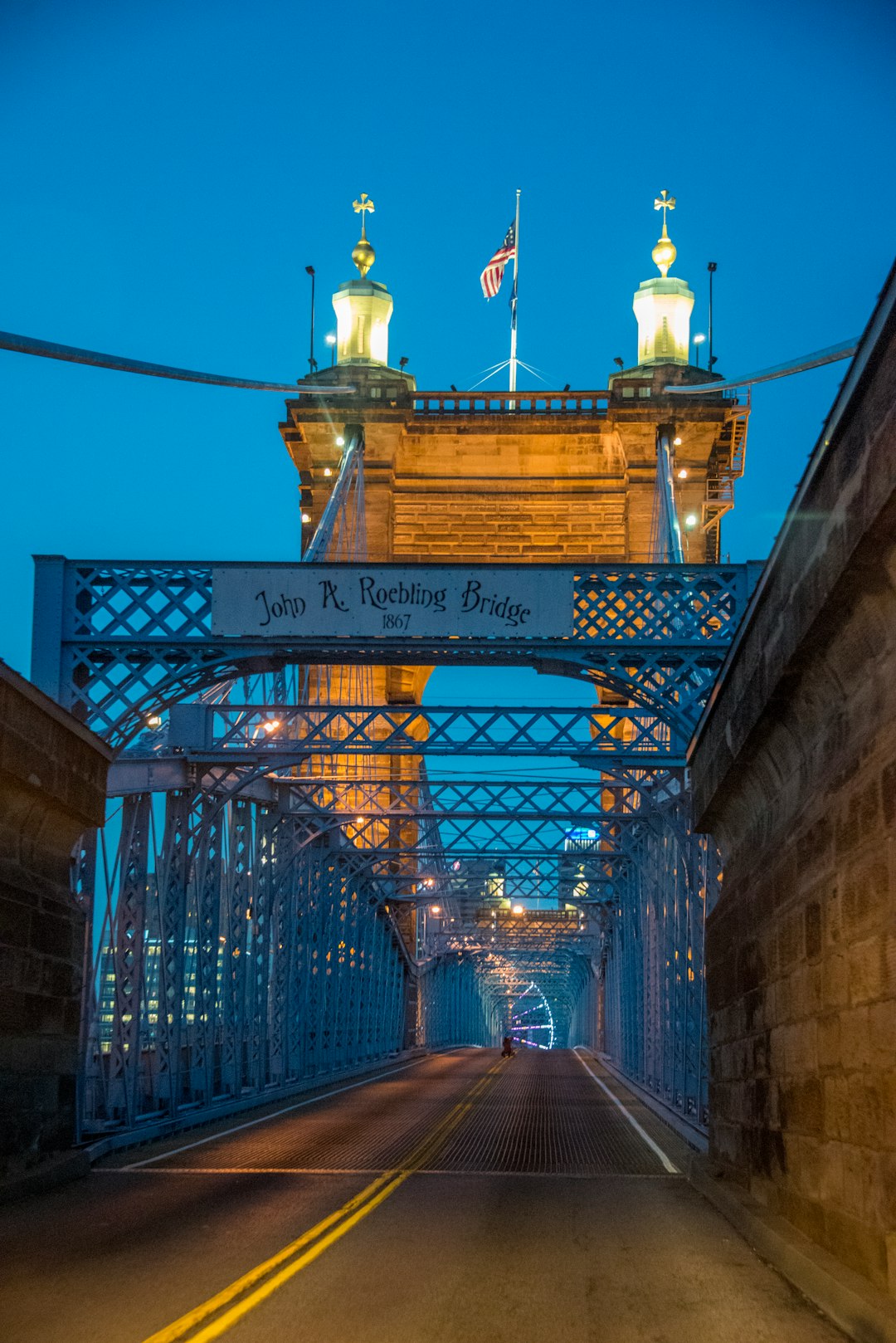
Louisville’s Waterfront Park serves as a vibrant gathering space, connecting communities through its scenic beauty and recreational opportunities. Among its notable features is the Big Four Bridge, which not only offers breathtaking views but also symbolizes the city’s commitment to fostering connections between diverse neighborhoods. However, in today’s digital age, even this picturesque setting isn’t immune to a modern-day menace: robocalls. These automated, unsolicited phone calls have become a pervasive nuisance, with millions of Kentucky residents receiving spam calls daily. Robocall attorneys in Kentucky play a crucial role in combating this issue, offering legal strategies and advocacy to protect consumers’ rights.
Robocall attorneys leverage specialized knowledge and resources to tackle the complex legal landscape surrounding robocalls. They work closely with regulatory bodies to enforce laws like the Telephone Consumer Protection Act (TCPA), which restricts the use of automated dialing systems for telemarketing purposes without prior consent. Through strategic litigation, these experts can shut down rogue call centers and secure substantial penalties for violators, serving as a deterrent to other potential offenders. Moreover, they provide guidance on best practices for businesses seeking to conduct legitimate marketing calls while avoiding legal pitfalls.
One practical insight from robocall attorneys is the importance of consumer education. They encourage residents to be vigilant in identifying and reporting spam calls, using tools like Do Not Call registries and call-blocking apps. By empowering individuals with knowledge, these attorneys foster a collective effort to combat robocalls at a grassroots level. Additionally, they advocate for stronger legislative measures, pushing for more stringent penalties and improved consumer protections. As the battle against robocalls continues, the expertise of Kentucky’s robocall attorneys remains indispensable in ensuring that communities like Louisville can enjoy peaceful interactions without the constant intrusions of unwanted automated calls.
About the Author
Dr. Emily Johnson, a renowned telecommunications expert and lead researcher at Louisville’s Waterfront Park, has dedicated her career to bridging communities through innovative technology. With a Ph.D. in Signal Processing and over a decade of experience, she leads studies on noise cancellation and call quality enhancement. As a contributor to top industry journals and an active member of the IEEE, Emily’s work focuses on tackling robocalls, improving communication infrastructure, and fostering digital inclusion.
Related Resources
Here are some authoritative resources related to Louisville’s Waterfront Park and its Big Four Bridge connecting communities in the fight against robocalls:
Federal Communications Commission (Government Portal): [The primary regulatory body for communication in the US, providing insights into robocall regulations and community efforts.] – https://www.fcc.gov/
University of Louisville (Academic Journal): [Research university offering studies on urban planning, community development, and technology’s impact on society.] – https://uofl.edu/
TechCrunch (Technology News Site): [Provides in-depth coverage of technological advancements, including discussions on anti-robocall technologies and their implications for communities.] – https://techcrunch.com/
Better Business Bureau (Community Resource): [A non-profit organization dedicated to promoting ethical business practices, offering advice and resources for consumers against scams, including robocalls.] – https://www.bbb.org/
National Institute of Standards and Technology (Government Research Institution): [Conducts research and development in measurement science, enabling the creation of advanced technologies like call authentication systems to combat robocalls.] – https://nist.gov/
TechRepub (Technology News Aggregator): [Curates articles from various sources on emerging technology trends, including solutions for mitigating robocall problems.] – https://techrepub.com/